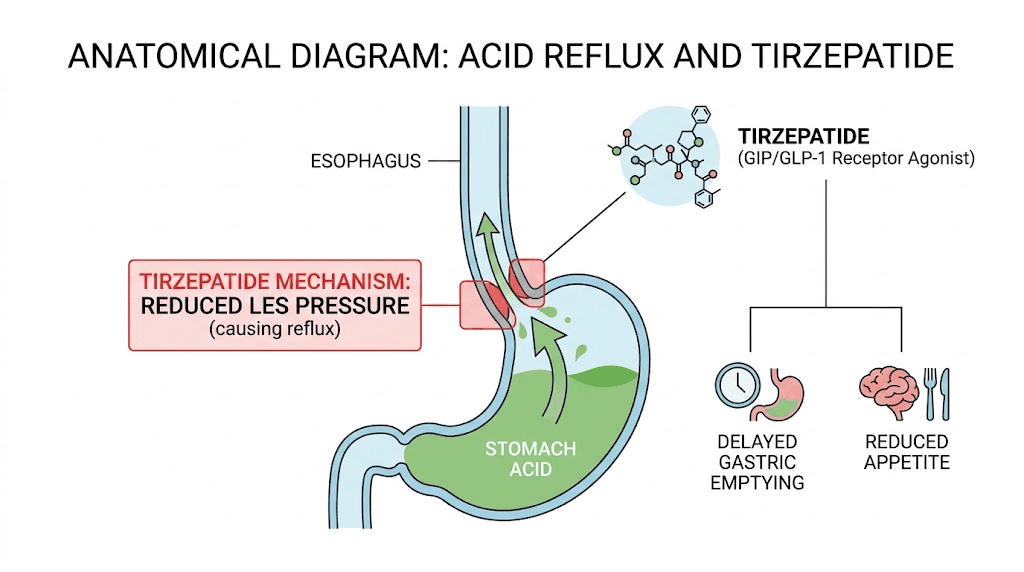
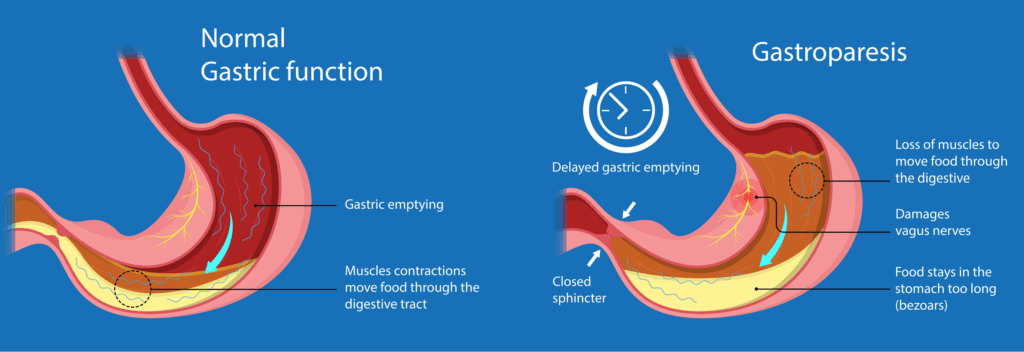
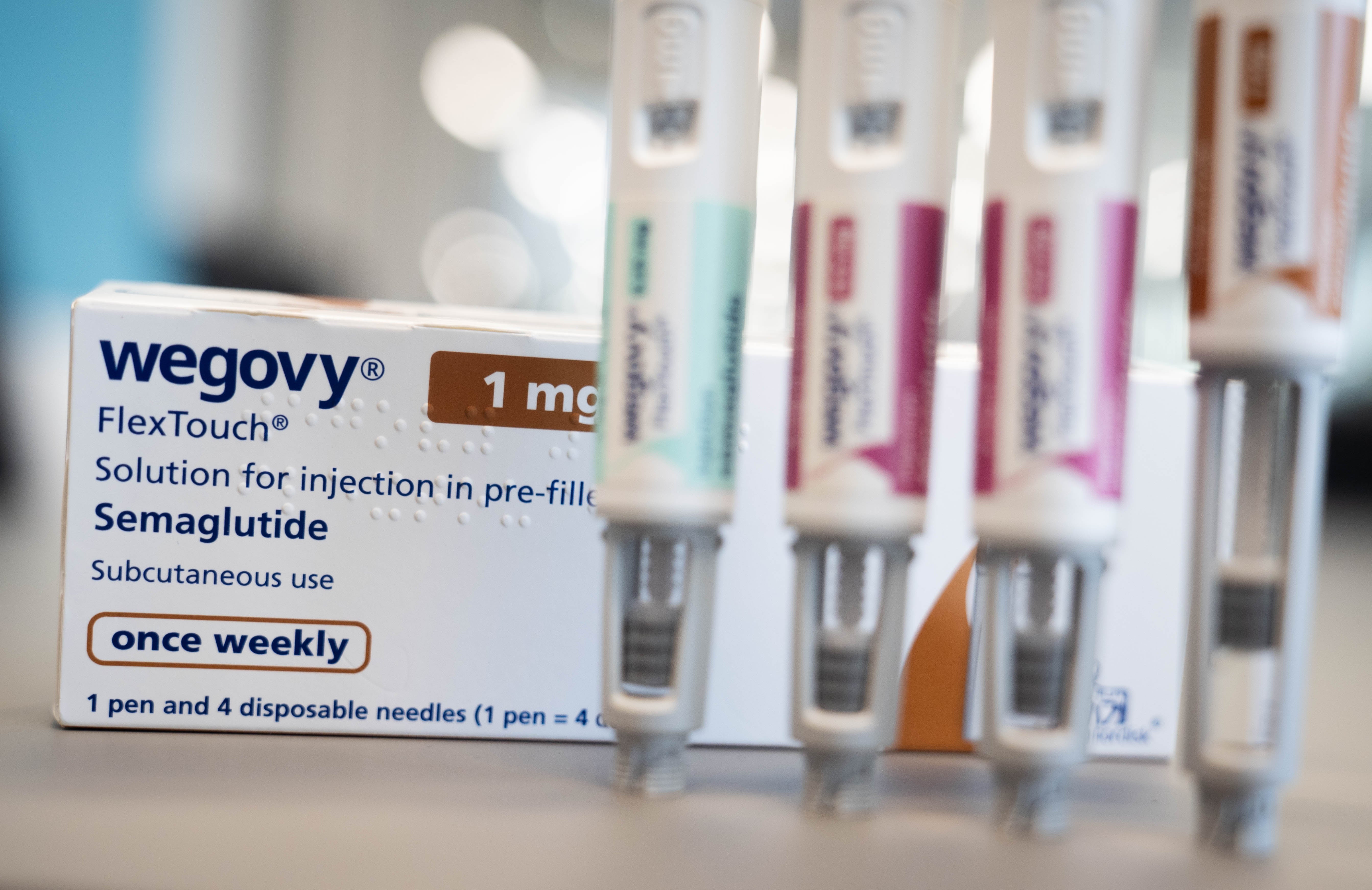
GLP-1 medications work partly by suppressing appetite and slowing gastric emptying. That's the mechanism behind the weight loss. But less food in means fewer vitamins and minerals in and the research now shows this isn't a theoretical concern. Butsch et al. (2025), the largest of the six studies in the Urbina review, tracked 461,382 GLP-1 users and found 22.4% had a new nutritional deficiency diagnosis within 12 months. Vitamin D was most common (13.6%), followed by nutritional anemia (4%), iron deficiency (3.2%), and B vitamin deficiency (2.6%). In a smaller dietary study (Johnson et al. 2025, Frontiers in Nutrition), 64% of GLP-1 users didn't meet iron intake recommendations, and 72% fell short on calcium.* This GLP-1 supplement covers the five most at-risk nutrients with bioavailable forms: methylcobalamin B12, chelated iron, chelated zinc, 5-MTHF folate, and vitamin D3

What the research actually shows The online peptide conversations tend toward two extremes that both miss the real picture: The first is uncritical hype treating every compound as a proven cure
Melanotan II Peptide is also investigated in appetite and metabolic signaling research
Comprender estos elementos ayuda a los pacientes y profesionales de la salud a optimizar el tratamiento y establecer expectativas apropiadas









![Raichu (3/17) [POP Series 9] Px2](https://cdn.shopify.com/s/files/1/0769/0754/4880/products/6fa7e4b5-bb30-4228-a472-ddc05ad58954.png?v=1702859995)


