During wound healing, Copper tripeptide may be freed from existing extracellular proteins via proteolysis and serves as a chemoattractant for inflammatory and endothelial cells
If only part of the medication is given and the rest is to be discarded, bill J3490 on one line for the stated amount and J3490 with JW modifier on the other line for the wasted amount
While absorption may not differ among forms of B12, the bodys ability to absorb the vitamin is largely limited by the capacity of intrinsic factor.2,4 Many foods are fortified with B12, including breakfast cereals, meat analogues, soymilk, and nutritional yeast (see Table 2)
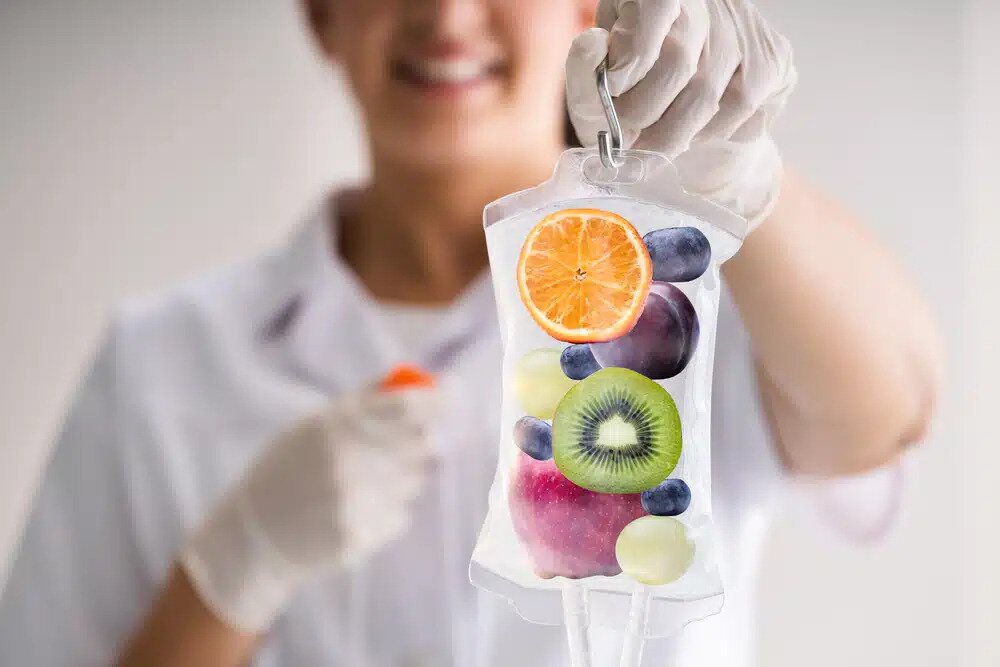
TCB II: 4247kDa protein Essential protein in the delivery of vitamin B12 to cells and tissues The production site of TCB II is primarily hepatocytic, and secondarily endothelial, monocytic and intestinal Functions of vitamin B12: B12 acts as a cofactor for two key enzymatic reactions: Methionine Synthase (cytoplasm): Converts homocysteine methionine Requires methylcobalamin Supports DNA synthesis via the folate cycle (regenerates tetrahydrofolate) Methylmalonyl-CoA Mutase (mitochondria): Converts methylmalonyl-CoA succinyl-CoA Requires adenosylcobalamin Involved in fatty acid and amino acid metabolism Elevated vitamin B12 (hypervitaminemia B12) While vitamin B12 deficiency is commonly discussed, elevated serum B12 (hypercobalaminemia) is less common and often overlooked or misinterpreted