Little joys for everyday · Free shipping over $75
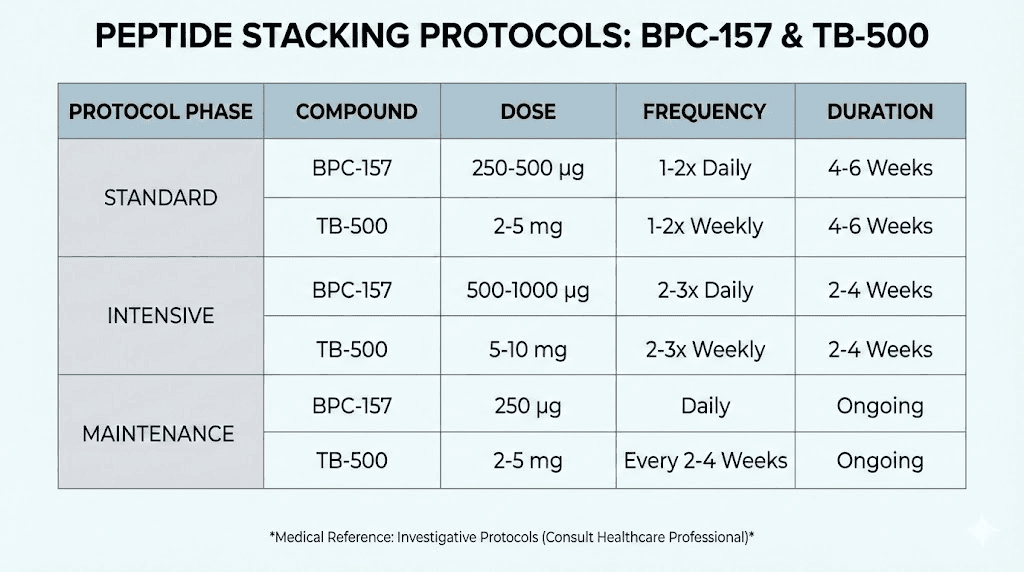
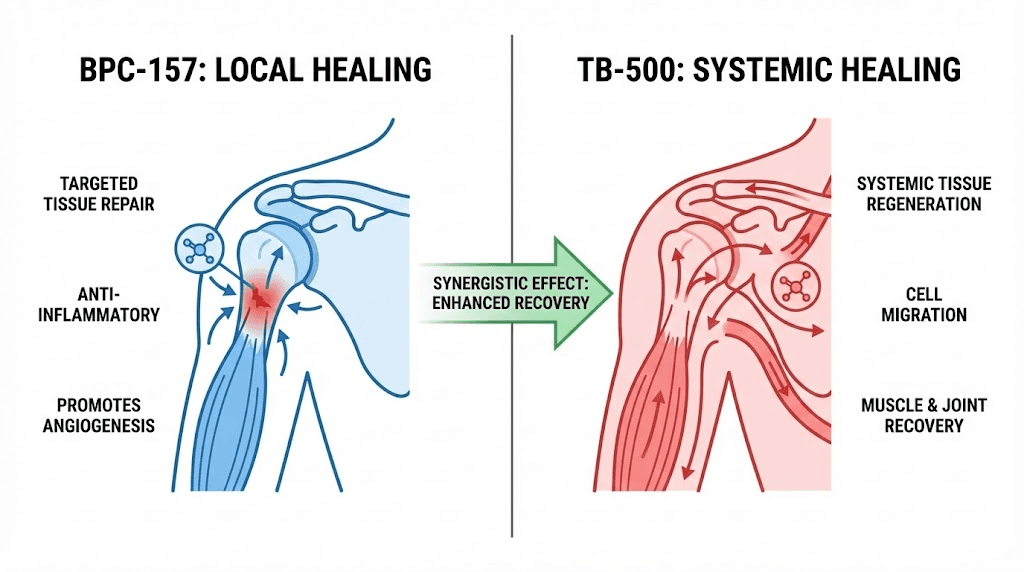
how to use bpc 157 for shoulder injury

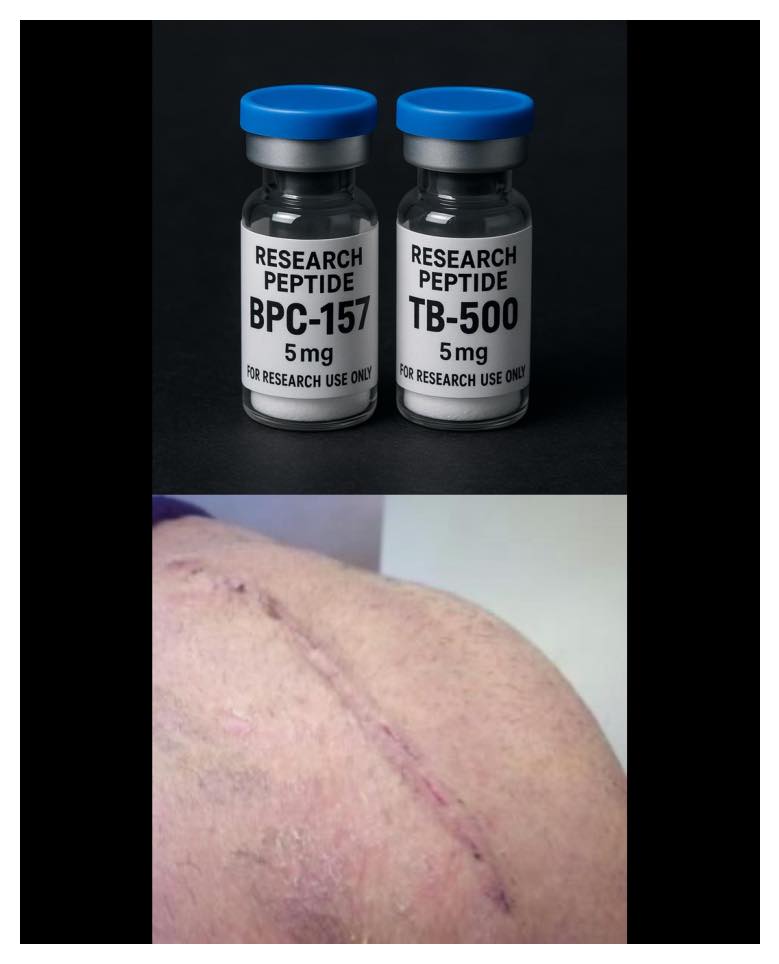
how to use bpc 157 for shoulder injury Injecting BPC-157 Peptide My & Recovery #peptides #shoulderpain #injury Using TB-500 and BPC-157 peptides

SKU: 95681282435

4.1
EUR25.07 EUR53.07

Pay in 4 interest-free payments of $6.27 Learn more

Shipping Estimate
USA
  • USA
  • CAN

Ships within 48 hours · Estimated delivery Aug 1 - Aug 6
Description

Implementing structured data (schema markup) can further enhance your visibility in search engine results

how to use bpc 157 for shoulder injury Injecting BPC-157 Peptide My & Recovery #peptides #shoulderpain #injury Using TB-500 and BPC-157 peptides

high signal changes behind fragment indicating synovial fluid between fragment and under-lying subchondral bone Type IV: loose body Guhl 37 described 4 stages of OCD based on arthroscopic findings: Type I: softening and irregularity of cartilage but no fragment Type II: breached articular cartilage, low signal rim behind fragment indicating attachment Type III: definable fragment, partially attached but displaceable (flap lesion) Type IV: loose body and defect of articular surface More recently, the ROCK Study Group developed a new arthroscopic classification of OCD of the knee divided in two main categories with three subgroups for each category 38 with excellent intra and interobserver reliability: Immobile OCD lesions: Cue ball type (no abnormality) Shadow type (cartilage is intact and subtly demarcated) Wrinkle in the rug (cartilage is demarcated with a fissure, buckle and/or wrinkle) Mobile OCD lesions: Locked door (cartilage fissuring at periphery unable to hinge open) Trapped door (cartilage fissuring at periphery able to hinge open) Crater (exposed subchondral bone defect) Regardless classifications of OCD, the most important aspect is the fragment stability that is the key factor governing prognosis and treatment decisions

how to use bpc 157 for shoulder injury Injecting BPC-157 Peptide My & Recovery #peptides #shoulderpain #injury Using TB-500 and BPC-157 peptides

Estrogen is a feel-good hormone, modulating serotonin, dopamine, and other neurochemicals needed for mood regulation, says Melissa Boll, CNM, a Midi clinician and nurse practitioner manager

how to use bpc 157 for shoulder injury Injecting BPC-157 Peptide My & Recovery #peptides #shoulderpain #injury Using TB-500 and BPC-157 peptides

Larazotide is a peptide designed to tighten these loose junctions and help close the gaps in the gut lining

how to use bpc 157 for shoulder injury Injecting BPC-157 Peptide My & Recovery #peptides #shoulderpain #injury Using TB-500 and BPC-157 peptides
Exchange/Return Notes
  • We offer a 30-day return/exchange service after receiving.
  • Final sale items are not eligible for returns or exchanges.
  • To process your return/exchange, please contact us at [email protected]
  • Please click here for more details>>> Return & Exchange Policy

You may also like

recommand products