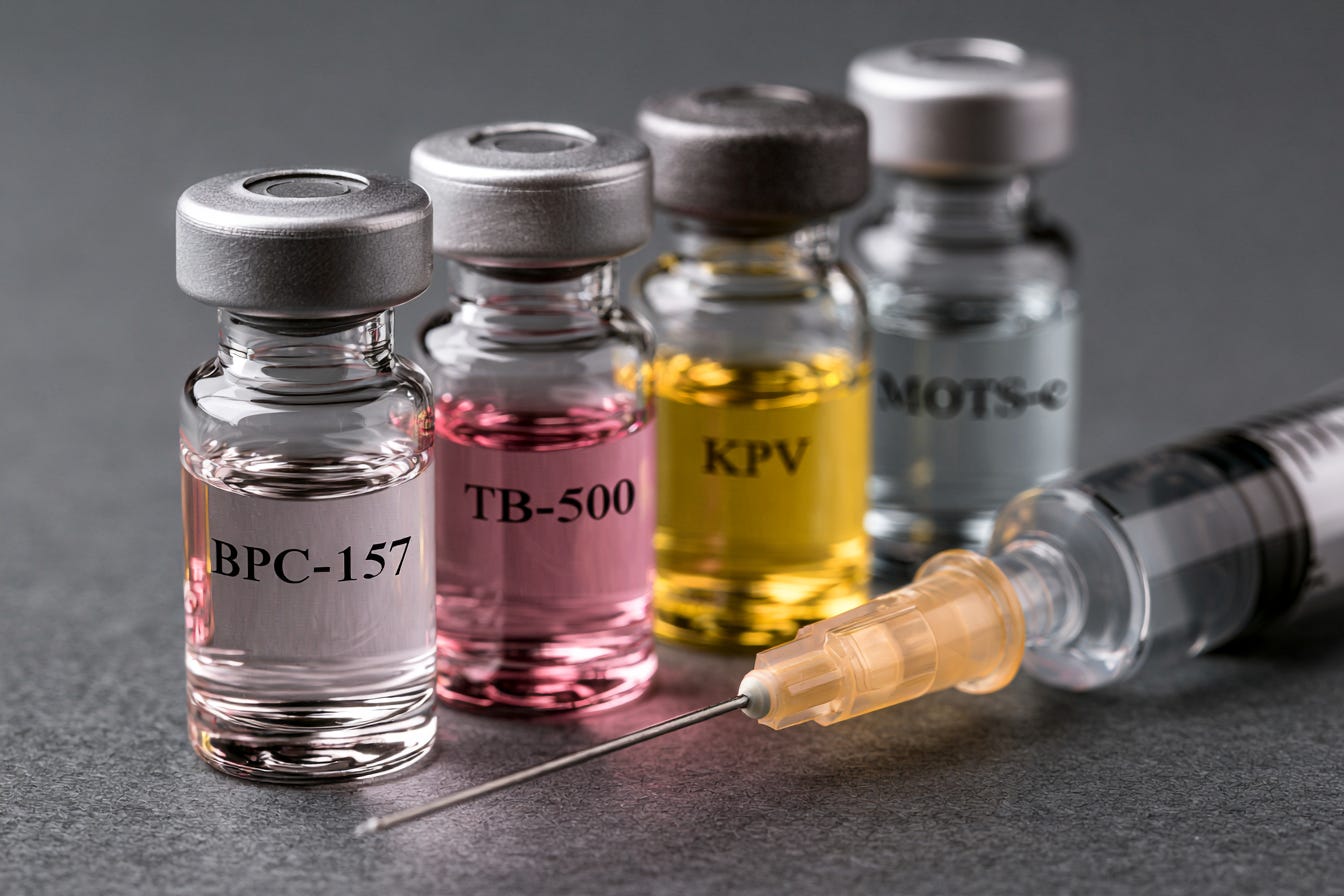
International Regulatory Landscape Healthcare Provider Considerations Healthcare providers who prescribe or recommend BPC-157 face potential: Disciplinary action from state medical boards Medical license implications (sanctions, restrictions, suspension) Malpractice liability (insurance often excludes experimental treatments) Federal regulatory enforcement Research and Access Legitimate research pathways: Investigational New Drug (IND) application required for human research Institutional Review Board (IRB) approval required GMP standards required for research-grade materials Current access: Research peptide suppliers (variable quality) Some compounding pharmacies (legal status varies) Clinical trials (limited availability) Why This Regulatory Status Exists BPC-157's prohibition stems from: Limited clinical data Only small pilot studies published (~28 human subjects total)
The solution is packaged in a 20ml vial to facilitate ease of use and accurate measurements.With its preservation formulation, Bacteriostatic water 20ml solution remains stable even after it has been opened, hence, can be stored safely for 28 days before expiry
While a highly publicized policy debate is unfolding regarding a potential reclassificationwith a formal review by the Pharmacy Compounding Advisory Committee (PCAC) scheduled for July 2324, 2026the current legal reality remains unchanged: compounding BPC-157 from bulk ingredients is a direct violation of the FD&C Act
BPC-157 is surprisingly free of side effects, and has been shown in research that's been happening since 1991 to repair tendon, muscle, intestines, teeth, bone and more, both in in-vitro laboratory test-tube studies, in in-vivo human and rodent studies, and when used orally or inject subcutaneously (under your skin) or intramuscularly (into your muscle)


![Glucagon Like Peptide 1 [7-36] Amide - an overview](https://ars.els-cdn.com/content/image/3-s2.0-B9780128031117000063-f06-04-9780128031117.jpg)