

When it was recognized that pellagra, a condition marked by diarrhea, dermatitis, dementia, and mortality, could be treated with foods containing NAD+ precursors, particularly vitamin B3, the clinical significance of maintaining NAD+ levels was established in the early 1900s (9). Notably, the skin does not flush with NAD+ injection, in contrast to vitamin B3 (niacin) intake, which also causes this negative effect (10). Low NAD+ levels have recently been associated with a variety of age-related ailments and diseases linked to increased oxidative/free radical damage, including diabetes, heart disease, vascular dysfunction, ischemic brain injury, Alzheimers disease, and vision loss (8, 11-17)
Menerey, K
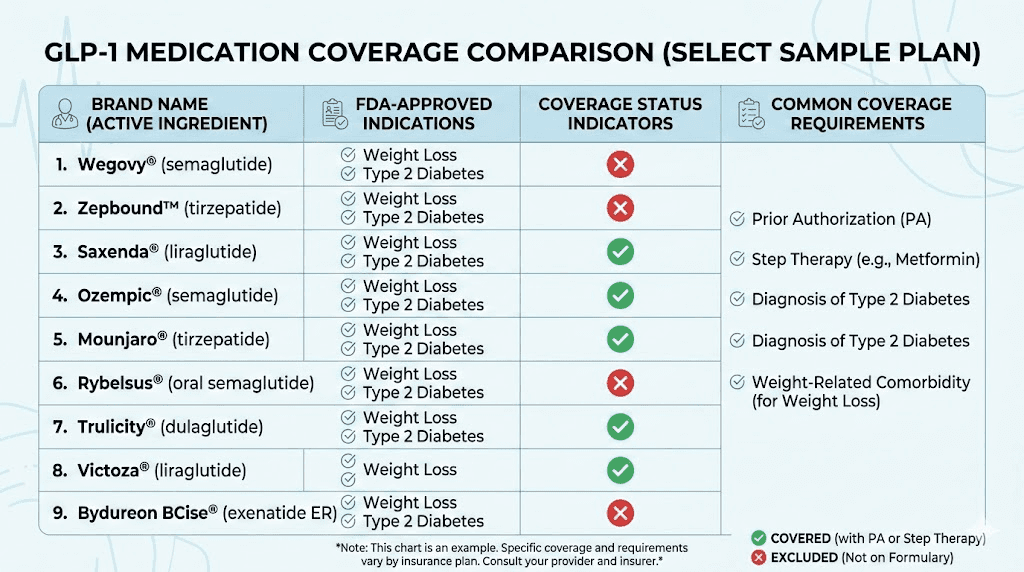
Beyond weight reduction, these medications improve blood sugar control, reduce cardiovascular event risk, and lower inflammatory markers
Weight-loss drugs have seen a dramatic increase in prescriptions, driven by endorsements from celebrities and widespread reports of their health benefits