Understanding these motivations helps contextualize the transition strategy

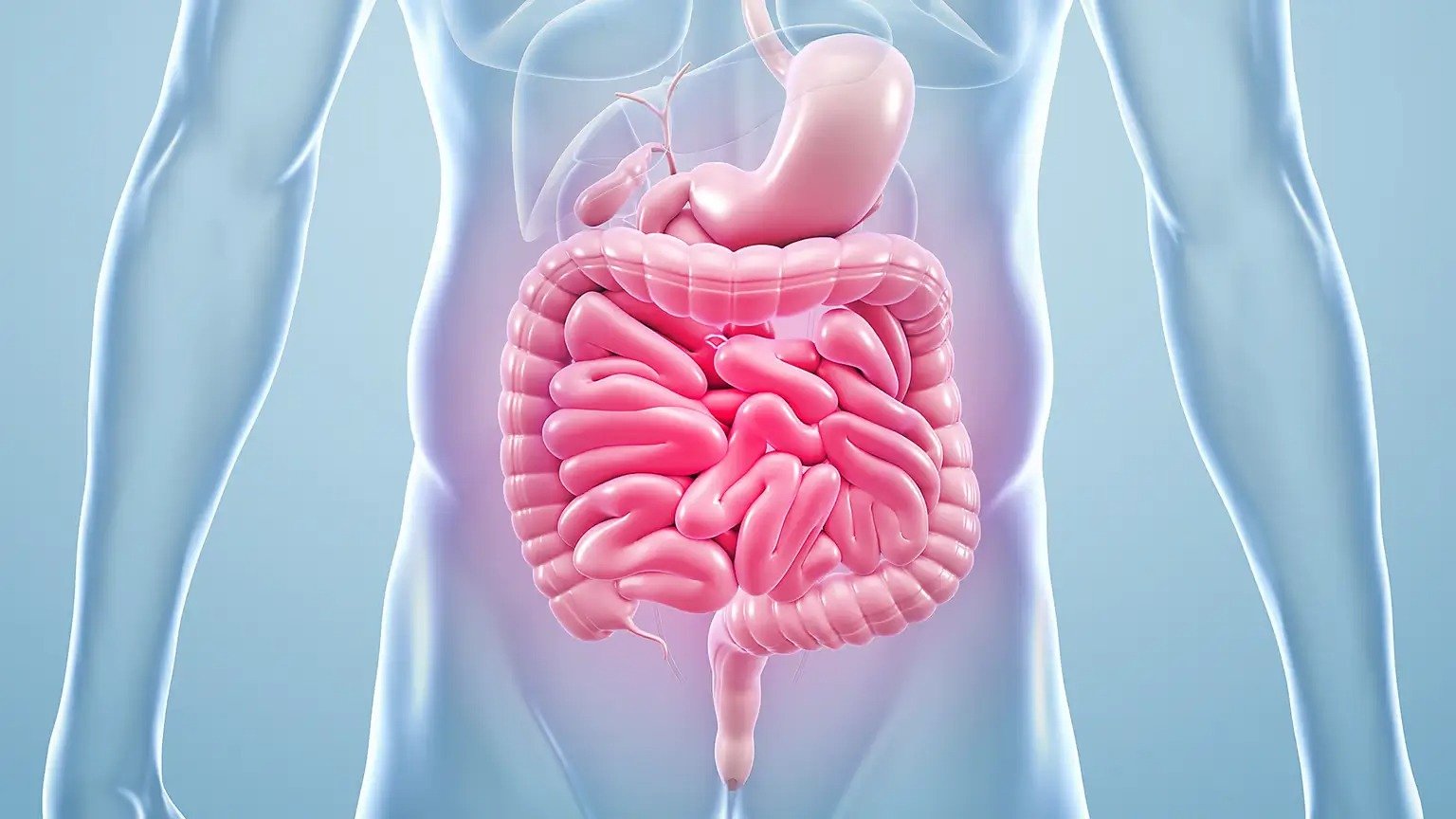
Additional caution may be appropriate in research involving: Additional Monitoring May Be Considered In Research Models Involving: Pregnancy and lactation-related research contexts, where limited safety data is available Severe gastrointestinal or delayed gastric-emptying research models, where GLP-1related pathways may influence gastrointestinal motility-related observations Pancreatic or pancreatitis-related research models, where metabolic and digestive-signaling pathways may require additional monitoring Gallbladder or biliary-related research models, where gastrointestinal and metabolic pathway modulation may influence biliary-related observations Diabetes or glucose-regulation research models involving concurrent glucose-lowering compounds, where glucose-homeostasis pathways may require closer monitoring Severe hepatic or renal impairment research models, where metabolic clearance and tolerability observations may differ Thyroid-related research models, including investigations involving endocrine-signaling pathways, thyroid-related biomarkers, or thyroid-cancer history models Additional Research Considerations Research conditions, protocol structure, research amount, and concurrent compounds may influence tolerability observations across experimental settings

The American College of Obstetricians and Gynecologists (ACOG) has not published a formal practice bulletin specifically on GLP-1 use in pregnancy as of this writing, but the FDA label contraindication is unambiguous
This ebook is not intended to be medical advice, and we don't sell or prescribe GLP-1 medications