Third, local effects in the gut may not require systemic absorption at all
decreased TSH, decreased Total T4, and decreased Free T4) Uncommon (0.1% to 1%): Galactorrhea, hypoadrenalism, diabetes insipidus [Ref] Local Very common (10% or more): Injection site pain (13.8%), injection site reactions Common (1% to 10%): Injection site hematoma [Ref] Dermatologic Very common (10% or more): Alopecia (13.2%) Common (1% to 10%): Pruritus, bruise, rash Uncommon (0.1% to 1%): Cellulitis, petechiae, urticaria, basal cell carcinoma [Ref] Musculoskeletal Common (1% to 10%): Joint pain, backache Uncommon (0.1% to 1%): Arthritis, joint effusion, muscle pain, Raynaud's phenomenon [Ref] Psychiatric Common (1% to 10%): Depression Uncommon (0.1% to 1%): Anxiety, paranoia, libido decrease [Ref] Other Very common (10% or more): Fatigue (31.8%), generalized pain (15%) Common (1% to 10%): Weakness Uncommon (0.1% to 1%): Hearing loss, otitis [Ref] Respiratory Very common (10% or more): Upper respiratory tract infection (18.2%), sinusitis (12%) Common (1% to 10%): Cold symptoms, flu symptoms, epistaxis Uncommon (0.1% to 1%): Pneumonia, pulmonary nodule, status asthmaticus [Ref] Renal Uncommon (0.1% to 1%): Increased creatinine kinase [Ref] Hypersensitivity Uncommon (0.1% to 1%): Allergic reaction Frequency not reported : Anaphylactic reaction [Ref] Immunologic Very common (10% or more): Antibodies to octreotide (25%) Ocular Common (1% to 10%): Blurred vision, visual disturbance Uncommon (0.1% to 1%): Increased intraocular pressure [Ref] Genitourinary Common (1% to 10%): Urinary tract infection, pollakiuria Uncommon (0.1% to 1%): Gynecomastia, amenorrhea, polymenorrhea, oligomenorrhea, vaginitis, nephrolithiasis, hematuria [Ref] References 1

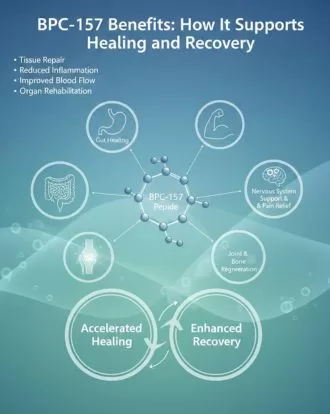
Purchase highquality, researchgrade peptide combinations from trusted supplier Peptides Australia ( The BPC157 TB500 blend pairs the regenerative power of BPC157 with the healing potential of TB500 to support tissue repair, muscle recovery, and reduced inflammation in research applications
The utilization of serum folate and homocysteine tests and the prevalence of folate deficiency in reproductive-age Korean women during the COVID-19 pandemic