Originally developed as a synthetic analogue of -melanocyte-stimulating hormone (-MSH), the peptide was designed to activate melanocortin receptors and stimulate melanin production
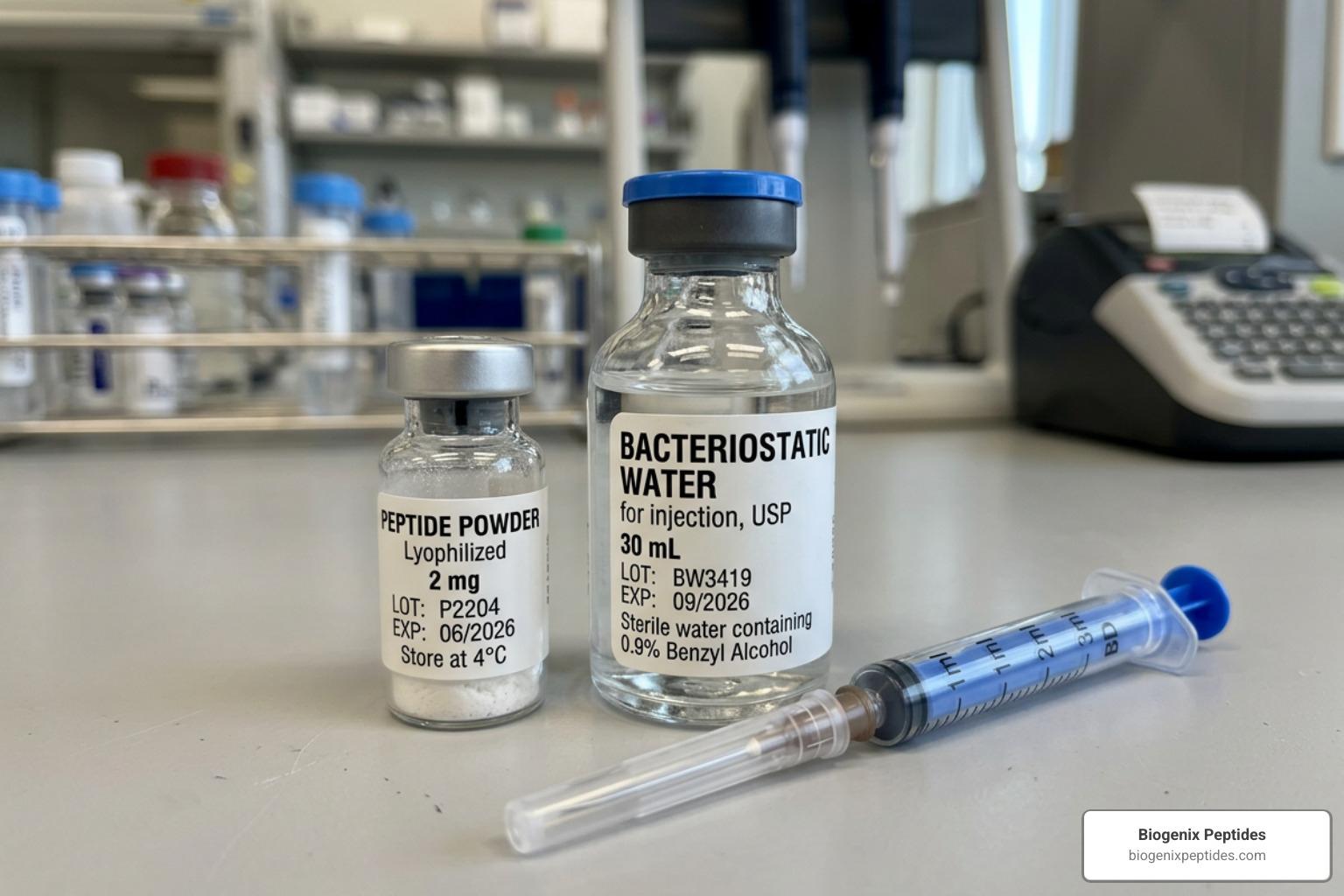
Baseline bloodwork before starting: Total and free testosterone LH, FSH Estradiol Thyroid panel (TSH, T3, T4) Lipids (cholesterol panel) Liver enzymes Kidney function IGF-1 (if using GH peptides) Glucose and HbA1c Follow-up testing: 6-8 weeks after starting Every 3-4 months during use Track changes and adjust protocols accordingly Why it matters: Verify peptides are working (testosterone increasing, IGF-1 rising, etc.) Catch any issues early (rare but possible) Optimize dosing based on response Have objective data, not just subjective feelings Storage and handling Peptides are sensitive to heat, light, and air
Effects of copper tripeptide on the growth and expression of growth factors by normal and irradiated fibroblasts
By encouraging tissue regeneration and supporting cellular health at the follicular level, these peptides may stimulate hair follicle activity, contributing to fuller and healthier hair outcomes